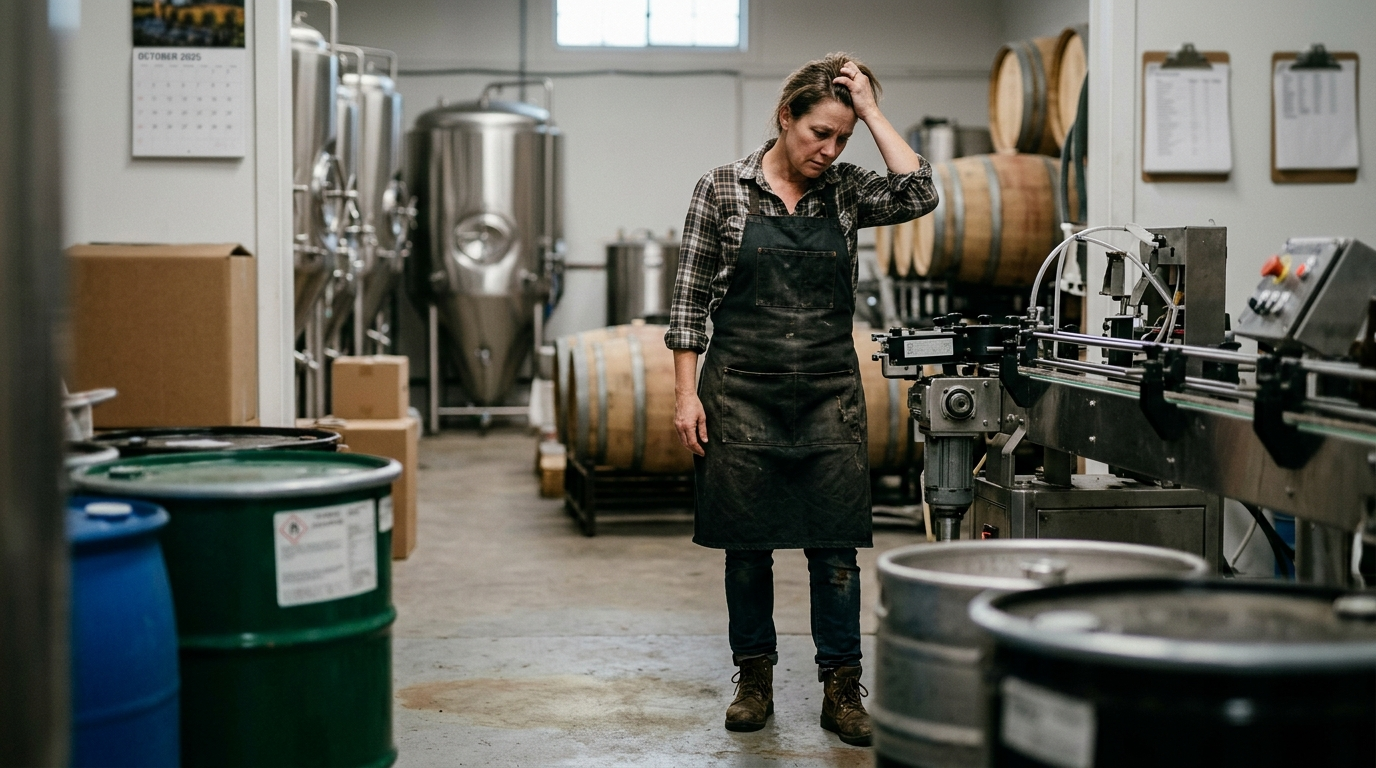
For a small business owner in 2026, time and capital are your two most precious resources. Managing a growing company is difficult enough without the administrative headache of juggling multiple insurance policies from different carriers.
Enter the Business Owner’s Policy (BOP). Often described as the “Swiss Army Knife” of commercial insurance, a BOP is a bundled package designed specifically to simplify coverage for small to mid-sized enterprises. In an era where operational costs are rising, the BOP remains the most cost-effective small business insurance bundle, offering comprehensive protection at a fraction of the cost of individual policies.
What Exactly is a Business Owner’s Policy (BOP)?
A BOP isn’t a single type of insurance; it is a “bundle” that combines three critical coverages into one contract with one premium and one renewal date. It is designed to cover the most common risks a business faces daily.
The Three Pillars of a BOP:
- General Liability Insurance: This protects your business if you are sued for causing bodily injury or property damage to a third party (e.g., a customer slips in your store).
- Commercial Property Insurance: This covers the “stuff” your business owns—your building, leased space, equipment, inventory, and furniture—against perils like fire, theft, or windstorms.
- Business Interruption Insurance: Also known as Business Income insurance, this replaces lost revenue and covers extra expenses (like rent or payroll) if your business is forced to close temporarily due to a covered property loss.
Who Needs a BOP?
Not every company qualifies for a BOP. It is generally reserved for “low-to-medium risk” businesses with fewer than 100 employees and revenues under a certain threshold (typically $5 million to $10 million).
Common businesses that benefit most include:
- Retailers: Clothing boutiques, gift shops, and hardware stores.
- Service Providers: Barber shops, dry cleaners, and pet groomers.
- Professional Consultants: Graphic designers, accountants, and marketing firms.
- Small Eateries: Coffee shops, bakeries, and “fast-casual” restaurants.
What’s Covered (and What’s Not)?
Understanding the boundaries of BOP insurance is vital for avoiding coverage gaps. While it is comprehensive, it is not “all-inclusive.”
Typical Inclusions:
- Fire, lightning, and explosion damage.
- Windstorm and hail damage.
- Theft and vandalism.
- Customer injuries on your premises.
- Product liability (if a product you sell causes harm).
Standard Exclusions:
- Professional Liability (E&O): Mistakes in professional advice or services.
- Workers’ Compensation: Mandatory in most states, covering employee injuries.
- Commercial Auto: Coverage for company vehicles.
- Health/Disability Insurance: Benefits for you or your employees.
The Financial Advantage of Bundling
In 2026, the cost of business insurance continues to be a top-line concern for founders. The primary driver for choosing a BOP is the “bundling discount.”
On average, grouping these policies under a BOP saves business owners 10% to 20% on premiums compared to purchasing General Liability, Property, and Business Interruption separately. Furthermore, because you are dealing with a single carrier, the administrative costs are lower, and there is a significantly reduced risk of “coverage gaps” where two different policies might argue over who is responsible for a claim.
How to Choose the Right BOP in 2026
When shopping for a BOP this year, follow this strategic checklist to ensure your policy fits your actual risk profile:
- Audit Your Assets: Ensure your property coverage reflects replacement cost rather than actual cash value. With 2026 inflation rates, the cost to rebuild or replace equipment may be higher than you think.
- Check Your “Class Code”: Insurance AI models in 2026 are highly specific. Ensure your business is classified correctly to avoid overpaying for a risk profile that isn’t yours.
- Review Location Risks: If you’ve moved to a hybrid model or a smaller physical footprint, adjust your property limits downward to save on premiums.
- Ask About Cyber Add-ons: Many 2026 BOPs now allow for small “Cyber endorsements.” While not a replacement for a standalone policy, it can provide a baseline of protection for very small firms.
Consultant’s Note: The Unsung Hero
In my years as a risk analyst, I have found that Business Interruption Insurance is the most undervalued part of a BOP.
Most business owners focus on the “Property” aspect—fixing the roof after a storm. However, statistics show that many small businesses never reopen after a major disaster, not because they couldn’t fix the building, but because they ran out of cash to pay rent and key employees while the doors were closed. Business Interruption keeps your cash flow alive while your physical assets are being restored. Never skim on this limit.
Mandatory Disclaimer
This guide is for informational purposes only and does not constitute legal, financial, or insurance advice. Insurance requirements and policy terms vary significantly by state, industry, and individual business needs. Always consult with a licensed insurance agent or legal professional before purchasing or modifying your coverage.
2026 Premium Comparison Chart (Estimated Monthly Costs)
| Industry | Standalone GL + Property + BI | Bundled BOP Premium | Estimated Annual Savings |
| Consultancy Firm (Asset-light, office/remote) | $115 – $140 | $85 – $105 | $360 – $420 |
| Retail Boutique (Physical store + inventory) | $210 – $260 | $160 – $190 | $600 – $840 |
| Local Café (High foot traffic + equipment) | $290 – $350 | $225 – $265 | $780 – $1,020 |
Industry-Specific Breakdown
1. Consulting & Professional Services
For consultants, the “Property” risk is often minimal (mostly laptops and home office gear). However, the Business Interruption (BI) component is vital.
- The Bundling Effect: Carriers view consultants as low physical risk. By bundling, you’re essentially getting the BI and Property coverage for a marginal increase over a standalone General Liability policy.
2. Retail & E-commerce
Retailers face high “Property” risks due to inventory value and “Liability” risks from slip-and-fall incidents.
- The Bundling Effect: Because retail risks are highly predictable for insurers, 2026 AI-driven underwriting models can offer aggressive discounts for “full-package” retail BOPs, as it’s easier for them to manage one comprehensive risk profile than three separate ones.
3. Food Service (Cafés/Small Eateries)
This is the highest-risk category of the three due to kitchen fire hazards and high customer turnover.
- The Bundling Effect: Food service businesses see the most significant dollar-for-dollar savings. A standalone Business Interruption policy for a café can be incredibly expensive on its own, but within a BOP, it is subsidized by the lower-risk liability and property portions.
Why These Costs Vary in 2026
While the chart above provides a benchmark, three “X-factors” will influence your specific quote this year:
- The “Smart Building” Discount: If your retail or café space uses IoT sensors for fire and leak detection, 2026 insurers often apply an automatic 5-10% credit to your BOP.
- Location-Based Risk: A boutique in a high-crime area or a café in a flood zone will see higher Property premiums, even within a bundle.
- Revenue Tiers: As your revenue crosses certain thresholds (typically $1M and $5M), your General Liability risk increases, which will scale the BOP premium upward.
To secure an accurate and competitive Business Owner’s Policy (BOP) quote in 2026, you need more than just a rough estimate of your revenue. Underwriters today use AI-driven scoring models that reward “data-rich” applicants with lower premiums and better terms.
Here is your Consultant’s Preparedness Kit—the essential documents and data points you should have ready before your first meeting with a broker.
1. Core Business Identity & Financials
This is the “who and how much” of your application. Accuracy here prevents painful “audit surprises” at the end of the year.
- Legal Entity Details: Your exact legal name (as filed with the Secretary of State), Tax ID (EIN), and the date your business was officially established.
- Detailed Description of Operations: Don’t just say “Consultant.” Be specific (e.g., “Digital Brand Strategy and Culinary Content Management”). Underwriters look for “scope creep”—activities that might fall outside a standard BOP.
- Revenue Figures: Your actual gross revenue for the past 12 months and a realistic projection for the next 12.
- Payroll Estimates: Total annual payroll (excluding the owner, in some states). This is a primary rating factor for the liability portion of your bundle.
2. The Physical Footprint (Property & Assets)
In 2026, property valuations are highly scrutinized due to shifting construction costs.
- Property Details: Square footage of your space, the age of the building, and the date of the last major updates to the roof, plumbing, and electrical systems.
- Replacement Cost Inventory: A detailed list of equipment, furniture, and technology. Pro Tip: Use Replacement Cost (what it costs to buy it new today) rather than Actual Cash Value (depreciated value) to ensure you aren’t underinsured.
- Lease Agreement: Specifically, the insurance requirements section. Many landlords in 2026 require “Additional Insured” status and specific “Waiver of Subrogation” wording.
- Smart Building Data: If your space has IoT sensors for water leaks, fire, or enhanced security, provide the specifications. This can trigger “Tech Credits” on your premium.
3. The 2026 “X-Factors” (Digital & Governance)
Even for a standard BOP, 2026 underwriters are increasingly looking at how you manage digital risk.
- AI Governance Policy: If your business uses AI for operations or content, a one-page summary of your “Responsible AI Use” policy can help secure lower-cost endorsements for digital liability.
- Cyber Readiness Summary: A brief overview of your security protocols (e.g., Multi-Factor Authentication, encrypted backups).
- Subcontractor Agreements: If you hire freelancers or outside vendors, have copies of your contracts showing that they carry their own insurance. This prevents their risk from “bleeding” into your policy.
4. Claims & History
- Loss Runs: An official report from your previous insurers showing your claims history for the last 3–5 years. Even “zero-claim” reports are valuable; they prove you are a low-risk client.
Consultant’s Note: The “Fast-Bind” Secret
If you want your quote back in hours rather than weeks, provide a Statement of Values (SOV). This is a simple spreadsheet listing every physical asset, its location, and its replacement value. It removes the guesswork for the underwriter, which almost always results in a more favorable “discretionary credit” (a fancy word for a discount).
Disclaimer: The requirements for insurance quotes vary by carrier and state. Providing these documents does not guarantee coverage or a specific premium rate. Always verify requirements with your specific insurance provider.
Key Resources & References
- U.S. Small Business Administration (SBA.gov): Official government guides on business insurance requirements.
- Insurance Information Institute (iii.org): Comprehensive research and explainers on commercial policy structures.
- NAIC (National Association of Insurance Commissioners): Information on state-specific insurance regulations and consumer protection.
- The National Federation of Independent Business (NFIB.com): Advocacy and resources specifically for small business owners.